When your business handles every part of its shipping process—from storage to delivery—you're using a 1PL model. But what is 1PL exactly? Let's explore what it means, who uses it, and how it compares with other logistics models.

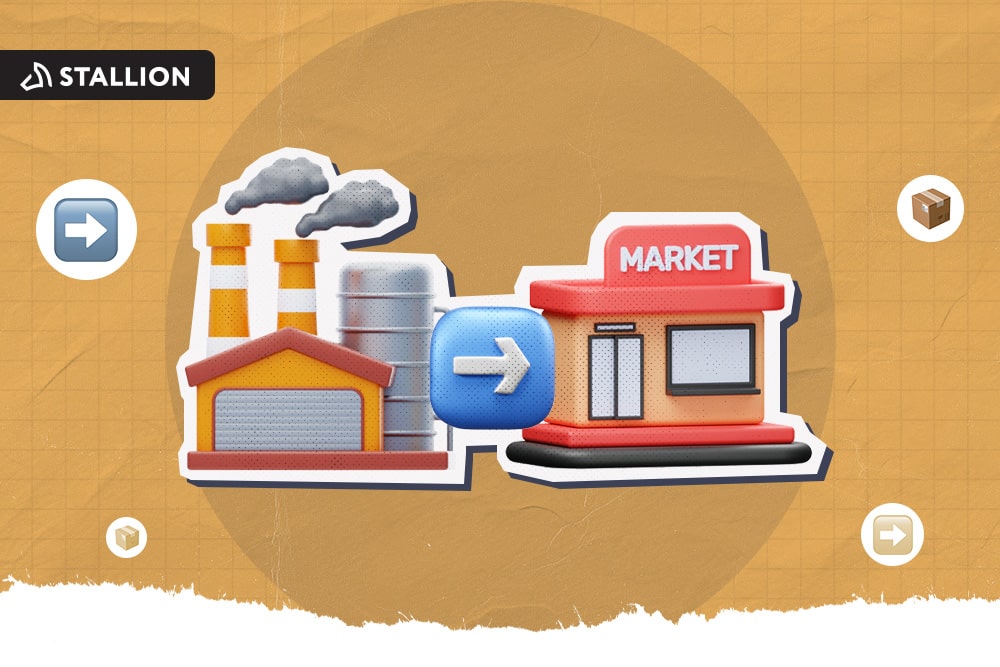
First-party logistics (1PL) is a logistics setup where the business handles every stage of the supply chain internally.
Simply put, you:
There are no external carriers or third-party providers involved.
For example:
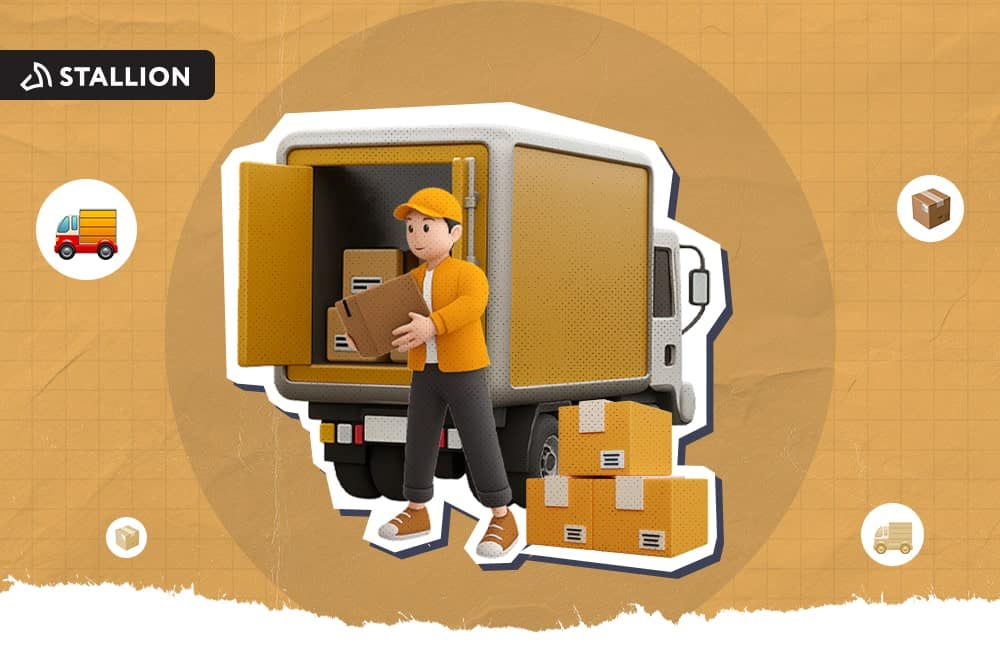
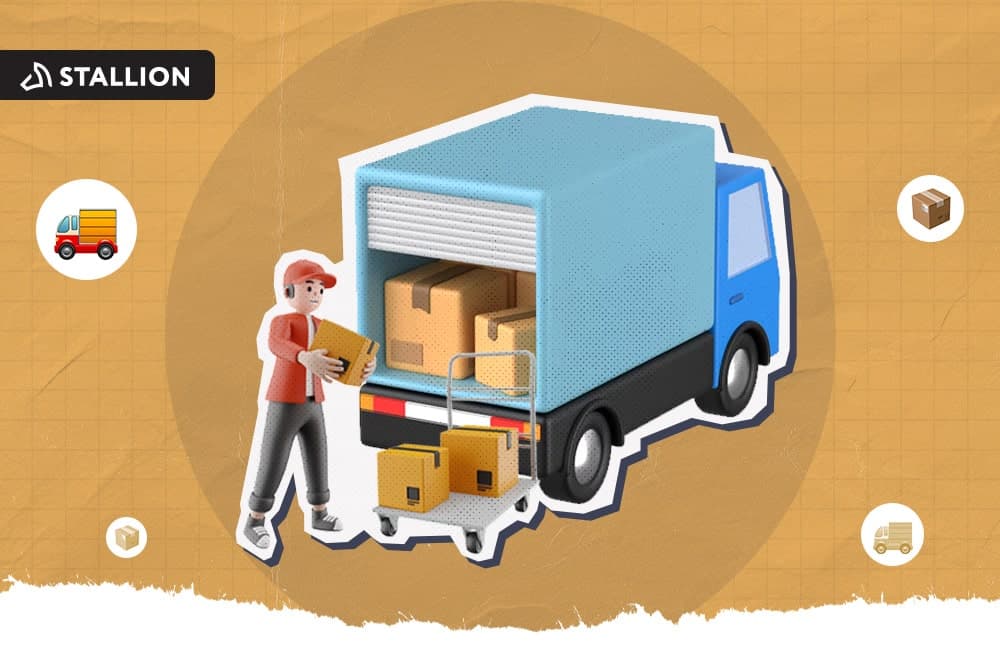
You own an online toy store. However, instead of letting delivery companies send the items on your behalf, you do it personally. You hand in the orders to the customers using your own vehicle. This system is under a 1PL model.
Here are some of the industries that use the 1PL model:
This setup works well for companies that ship low volumes or want hands-on oversight of their operations.

Managing logistics in-house can be empowering, but it also comes with its own challenges. Let's break them down:

Even with its challenges, 1PL can run efficiently with the right strategies. Here's how to optimize your operations:
Document step-by-step procedures for receiving, storing, packing, and shipping. A clearly defined standard operating procedure (SOP) ensures everyone follows the same process. As a result, it reduces confusion and human error.
Standardization also makes it easier to train new employees and maintain consistent service quality.
Implement barcode scanning or RFID systems for proper inventory management. It helps you prevent overstocking, reduce stockouts, and improve order accuracy. Additionally, organize warehouse layout strategically.
Place fast-moving items near packaging stations and labelling zones clearly. This makes picking and packing faster and more efficient.
Use logistics software to automate and streamline daily operations, such as:
These platforms can reduce manual errors, lower costs, and shorten delivery times. Incorporating them with your eCommerce or order management system allows seamless order tracking from purchase to delivery.
Use standardized box sizes and eco-friendly materials to minimize waste and shipping costs. This strategy also helps you align with sustainability goals and appeal to environmentally conscious customers. Proper packaging also minimizes product damage during transit, reducing returns and customer complaints. If you need some recommendations, consider using recyclable boxes and biodegradable fillers as the best options.
Ensure all staff are familiar with multiple logistics tasks, making operations smoother even when some team members are not around. You need to keep everyone updated on logistics best practices, safety protocols, and new technologies.
Yes, it may sound costly at first. However, this flexibility keeps operations running smoothly, especially during peak seasons or unexpected absences.
You can start by tracking key performance indicators (KPIs), such as:
Customer satisfaction
Regularly reviewing these metrics helps you to identify bottlenecks early. For example, a spike in late deliveries may signal a need to revisit internal workflows.
Treat logistics as an evolving process rather than a one-time setup.
You can also encourage your team to suggest process enhancements and stay open to new tools or technologies that can boost efficiency, accuracy, and customer satisfaction.

It’s easy to mix up 1PL with other logistics models since they all deal with shipping and fulfillment. To make things clearer, here’s how 1PL compares to 2PL, 3PL, 4PL, and 5PL.
| Logistics Model | Who Manages It | What It Covers | Best For |
| 1PL | The business itself | Handles all shipping, storage, and delivery internally | Small businesses with local deliveries or low shipping volumes |
| 2PL (Second-Party Logistics) | External carriers | Transportation only; the business still manages warehousing | Businesses needing an extra delivery support but still want control |
| 3PL (Third-Party Logistics) | Third-party provider | Shipping, fulfillment, and sometimes warehousing | eCommerce brands and growing businesses seeking efficiency |
| 4PL (Fourth-Party Logistics) | A logistics integrator | Oversees and manages multiple 3PLs for full supply chain coordination | Enterprises needing centralized logistics management |
| 5PL (Fifth-Party Logistics) | Technology-based logistics company | Focuses on strategic planning, automation, and digital networks | Large companies optimizing global, tech-driven logistics |
In other words:
Similar Read: 3PL vs 4PL: How to Choose the Right One

Choosing between 1PL, 2PL, 3PL, and 4PL depends on business size, shipment volume, and available resources. As mentioned above, each model offers a different balance of control, cost, and convenience. So, it's crucial to assess what logistics solutions you truly need.
When deciding whether to shift from 1PL to getting an actual logistics provider, consider the following factors:
Your answers to these questions will point you to the most suitable type of logistics service, making it easier for you to decide which one you should get.
1PL logistics can be a great starting point for businesses that want complete control over their operations. But as orders grow, handling logistics needs in-house can limit scalability and efficiency. Partnering with a trusted 3PL service can help you meet your logistics requirements.

Are you overwhelmed managing the entire logistics process on your own? It might be time to partner with a third-party logistics provider like Stallion.
With Stallion, you can experience faster, more reliable, and cost-efficient shipping, perfect for Canadian businesses.
From warehousing to last-mile delivery, Stallion simplifies your entire supply chain so you can focus on what truly matters. Grow your brand and deliver an exceptional customer experience.

Candy Rada is a dedicated professional with tons of experience in content writing for the shipping industry. As a literature degree holder, she excels in creating engaging content with strategies that enhance brand visibility. She enjoys playing with her cats, reading dystopian books, and joining trivia games in her free time.
Can our fellow Torontonians relate?
-
#smallbusiness #business #entrepreneur #socialmedia #shipping #ecommerce #canadianecommerce #shopify #poshmark #b2b #saas #etsy #ebay #canada #canadiansmallbusiness #shoplocalcanada #entrepreneur
#toronto

Here’s your quick hassle free shipping from 🇨🇦 to 🇺🇸 as a business owner!
-
Any questions?! Leave them 👇🏻 and save this video so you don’t forget!
-
#smallbusiness #business #entrepreneur #socialmedia #shipping #ecommerce #canadianecommerce #shopify #poshmark #b2b #saas #etsy #ebay #canada #canadiansmallbusiness #shoplocalcanada #entrepreneur
Meet @drinkbenny a 🇨🇦 female founded energy drink brand! Instead of focusing on their products, they’re taking a unique approach by hosting in person events in different Canadian cities to offer an experience for their community 🧡
-
What are your thoughts on in person events? 💭
-
#smallbusiness #business #entrepreneur #socialmedia #shipping #ecommerce #canadianecommerce #shopify #poshmark #b2b #saas #etsy #ebay #canada #canadiansmallbusiness #shoplocalcanada #entrepreneur
Do you know the difference between DDU and DDP when shipping internationally 🌏 ?
-
Questions? Leave them below! 👇🏻
-
#smallbusiness #business #entrepreneur #socialmedia #shipping #ecommerce #canadianecommerce #shopify #poshmark #b2b #saas #etsy #ebay #canada #canadiansmallbusiness #shoplocalcanada #entrepreneur
Here’s a quick hack to save time from choosing multiple postage options
↪️ Turn on the lowest postage rate automation to save you time!
-
Questions? Leave them below! 👇🏻
-
#smallbusiness #business #entrepreneur #socialmedia #shipping #ecommerce #canadianecommerce #shopify #poshmark #b2b #saas #etsy #ebay #canada #canadiansmallbusiness #shoplocalcanada #entrepreneur