Knowing what customer wants and when they want it is crucial to any business. This may sound complicated, but one way to do that is through demand forecasting.
This guide breaks it all down—what it is, how it works, and how it helps you ship smarter and scale faster.
Demand forecasting is the process of estimating future customer demand for your products. It uses specific elements to predict what and how much you'll sell in the near or distant future, such as:
For eCommerce (or any) businesses, this is crucial to staying competitive and efficient, especially when dealing with cross-border shipping or seasonal demand spikes.
Choosing the right forecasting approach is essential for accurate demand planning. Let us discuss each method, along with best practices and demand forecasting examples, to help you make smarter business decisions.
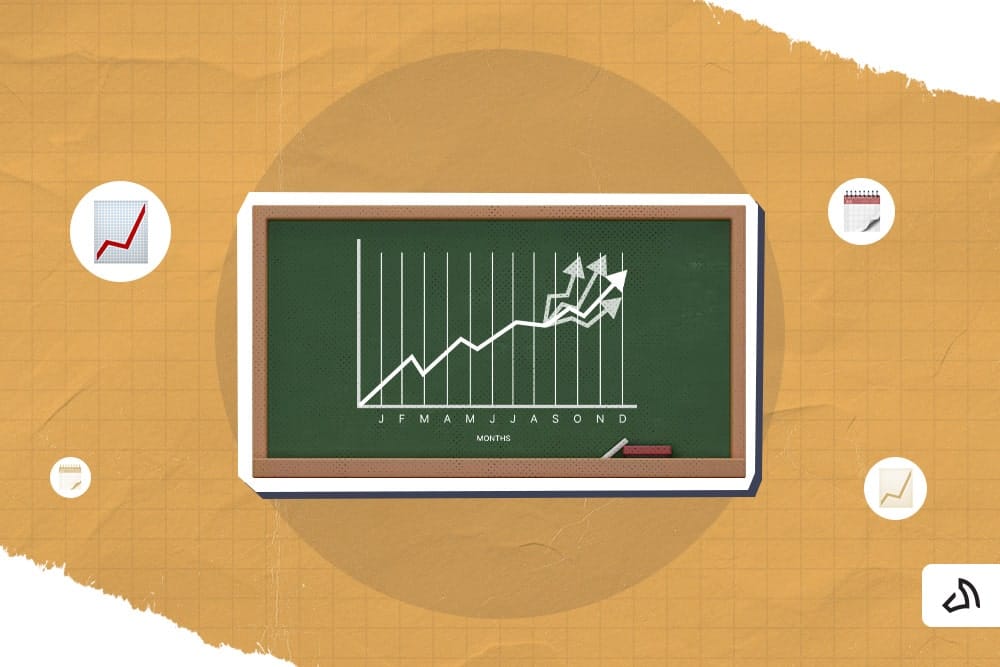
Time Series Analysis is a common and effective method in demand forecasting. It examines historical sales data over consistent time intervals, such as days, months, or years.
The goal is to identify patterns like:
By recognizing these patterns, businesses can make informed predictions about future demand.
Example:
A Canadian clothing seller may notice that sweater sales increase every October and drop by March. Time series forecasting technique helps them stock up right before the cold weather hits.
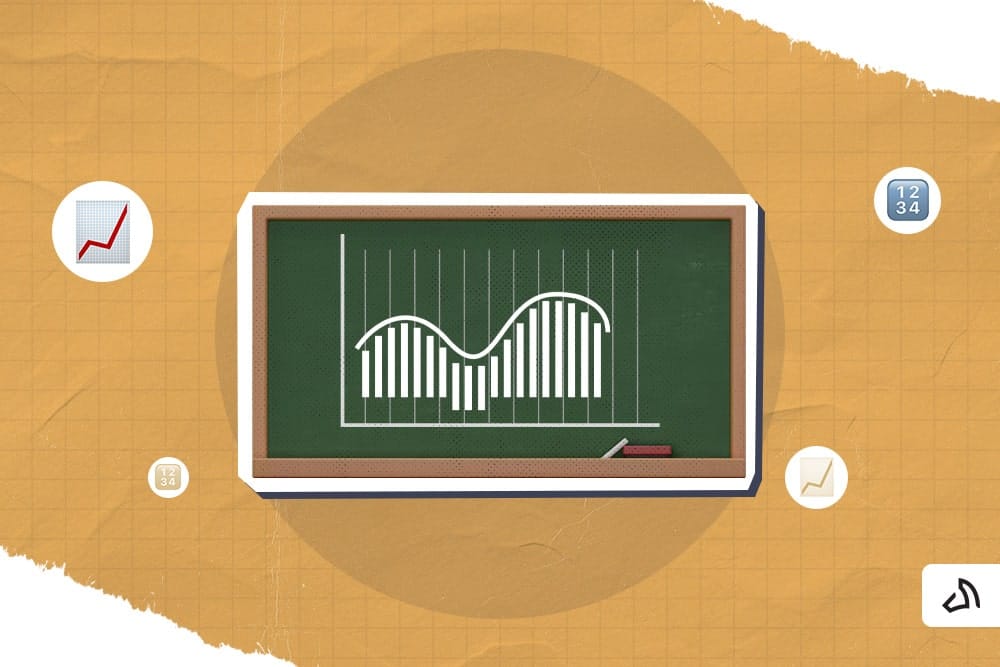
Moving Averages are methods for calculating the average sales over a set period, such as 3, 6, or 12. It continuously updates once new data becomes available.
Don't confuse this with Time Series Analysis. While both demand forecasting approaches use time as their primary element, they focus on different aspects. Moving Averages show short-term fluctuations and highlight overall trends. It doesn’t analyze components like seasonality or cycles in depth.
It focuses on the average rather than daily or weekly spikes and dips. So, it helps reveal underlying trends and makes it easier to spot consistent patterns over time. This clarity can be used to predict demand, plan inventory, and avoid overreactions to short-term changes.
Example:
A business selling phone accessories on Shopify can use a 3-month moving average to predict charger sales for the next month, especially after flash sales or promos.

Regression Analysis is a statistical method that examines the relationship between sales and influencing factors, such as:
By identifying how these variables work, businesses can forecast demand accurately based on cause-and-effect patterns.
Example:
A Toronto-based skincare brand might find that colder temperatures lead to increased sales of moisturizers. Regression models help them prepare for seasonal shifts.

Market research and expert opinion are crucial when there's little to no past sales data. They use different elements to understand what might influence demand, such as:
This helps businesses make informed decisions about future sales by analyzing customer behaviour, competitors, and market trends.
Example: If you’re introducing a new wellness supplement to the market. Expert interviews and industry reports can give initial demand estimates while you wait for real data to accumulate.
Also Read: State of E-Commerce: Trends, Challenges, and Opportunities in 2025
One of the most reliable sources for forecasting existing products is historical sales data. Past sales tell a story that can help predict the future demand for a product. They reveal patterns, seasonality, and growth trends.
By studying:
Businesses can make accurate decisions about inventory, production, and marketing strategies moving forward.
Different businesses require different forecasting tools. In this section, we’ll explore each type of forecasting model.

Passive Forecasting relies on historical data with minimal changes. It's ideal for businesses with stable demand patterns.
Example:
A Toronto-based seller offering plain white crew socks has seen consistent monthly sales for over two years. They use passive forecasting because demand rarely fluctuates, making historical trends reliable for restocking.
On the other hand, Active Demand Forecasting includes external factors like marketing efforts or new product launches. This model is ideal for fast-growing or seasonal companies.
Example:
Vancouver-based cosmetics brand launching a new skincare line expects demand to spike due to a TikTok influencer campaign. They use active forecasting to estimate future sales based on campaign reach, engagement, and anticipated media coverage.
Short-Term Demand Forecasting focuses on the near future, usually a few weeks or months. It helps with immediate inventory and promotional planning.
Example:
A small business selling school supplies in Calgary uses short-term forecasting to prepare for the back-to-school rush in August and September. This ensures they don’t miss the seasonal sales window.
Long-Term Demand Forecasting looks a year or more ahead and is often used for strategic decisions, such as expanding product lines or entering new markets.
Example:
An Ontario-based eco-friendly packaging company uses long-term forecasting to project demand growth as more Canadian businesses shift to sustainable shipping materials over the next two years.

Quantitative Models are most effective when you have consistent historical data.
Example:
A Shopify seller specializing in tech accessories uses quantitative forecasting by analyzing 12 months of sales data to project holiday demand for wireless earbuds.
Qualitative Methods rely on expert judgment, market research, or customer feedback. It's useful when launching a new product or entering a new niche where past data is unavailable.
Example:
A Montreal-based startup planning to sell a niche health product (like mushroom-based energy drinks) gathers feedback from nutritionists and surveys health-conscious consumers to estimate initial demand.
Below are the essential steps to forecast demand effectively. Let's check them one by one:
Are you forecasting for a single SKU, an entire category, or your entire scope? The scope matters because each requires a different approach.
For example:
A new product may need market research and competitor analysis since there's no sales history yet. In contrast, an existing SKU can rely on past sales data to predict future trends.
Knowing the scope helps you choose the right data and methods for accurate results.
As mentioned earlier, to build a strong foundation for your forecast, you need to pull:
Together, these data points create a clearer view of future demand.
Pick the method that works best for your data and business model.
For example:
If you sell the same items regularly, the Moving Averages technique can help you spot steady sales patterns.
Here's another example:
Let's say your products are seasonal or influenced by external factors. This might need a more advanced method like Time Series Analysis or Regression.
Matching the method to your situation ensures you get accurate forecasts that actually help you make better decisions.
Run your model, then compare the forecast with recent actual sales to check its accuracy. This helps you see if your predictions were on target or if adjustments are needed.
Look for factors that may have caused differences and could affect demand, such as:
Testing and refining your model regularly makes your forecasts more reliable over time.
Update your forecasts regularly. It can be monthly, quarterly, or whenever major changes happen. Remember, markets shift, customer behaviour evolves, and unexpected events can disrupt demand.
By reviewing and adjusting your forecasts often, you can respond faster to trends, avoid overstock or shortages, and keep your supply chain running smoothly.
The benefits of demand forecasting go beyond just predicting sales. It's a key driver of supply chain efficiency. Here's why it's crucial in the supply chain:
Forecasting helps you predict demand. Therefore, you can order just enough stock—no more, no less. This means less storage and less waste.
By understanding your customers' demand for a product, you will also see their purchasing patterns. This helps you avoid having too much inventory sitting idle, or worse, running out during a sales spike.
With reliable sales forecasting comes better financial planning. The information you receive helps you budget more effectively for inventory purchases, marketing, and shipping.
The goal is to deliver what your customers want, when they want it. So, taking advantage of the most suitable method will boost customer loyalty, repeat sales, and positively impact demand.
Here are the common challenges businesses face when predicting future sales:
Outdated or unorganized data can distort your results and lead you in the wrong direction. If the information you’re using is inaccurate, your forecasting might produce numbers that don’t match reality.
Always clean and validate your data sets before running any forecast. Remove duplicates, correct errors, and make sure data reflects the current market situation. Accurate data is the foundation of reliable forecasts.
As mentioned, trends, customer behaviour, and weather change. These changes can cause sales to rise or fall without warning. They can also create challenges for supply chain management, making it more difficult to keep the right amount of stock at the right time.
Spreadsheets can handle basic forecasting, but they have limits. As your business grows and data becomes more complex, errors and delays become more likely. Automation tools can process large amounts of data quickly and with fewer issues.
They also make it easier to update forecasts in real time, giving you more accurate and timely insights for decision-making.
Here are practical tips to help you create a good demand forecast and improve your overall demand planning:
Focus on clean, relevant time frames so your forecast reflects accurate patterns. Include the impact of promotions, product returns, and unusual spikes or drops in sales. This helps ensure your numbers truly represent typical demand.
Take advantage of demand forecasting software to process data faster and reduce errors. These tools can analyze trends, adjust for changes, and provide more accurate predictions than manual methods.
With quantitative demand forecasting, it’s important to balance raw numbers with market context and feedback. Data shows the trends, but real-world insights help explain the “why” behind the numbers.
For effective demand forecasting, break down your projections by product, region, or customer type. This level of detail can reveal hidden patterns that broad forecasts might miss.
Here are some of the frequently asked questions about demand forecasting:
For most eCommerce businesses, review your forecast at least once a month. Seasonal sellers may need to update it weekly during peak seasons.
Absolutely. Even a simple forecast using past sales data can help small sellers reduce waste, plan cash flow, and improve delivery times.
Not necessarily. You can start with spreadsheets, then move to forecasting tools like Shopify analytics or dedicated inventory software as you grow.
The easiest way to distinguish these two is to remember: models are the strategy, techniques are the tools.
Forecasting Models are the big-picture approach you choose before crunching numbers. They define the type of forecasting and what factors you'll consider.
On the other hand, Forecasting Techniques are the specific methods used to run the numbers and create predictions.
Quick Analogy:
Let's say you sell winter jackets online across Canada. The Forecasting Model is your overall approach. This is how you decide to look at demand.
Assume that you choose a seasonal, short-term model because demand spikes mainly in winter, and you want to plan for the next three (3) months.
Now that we have the approach, let's proceed to your Forecasting Technique or your calculation method. This is how you work out the numbers from your data.
Suppose you use time series analysis to check last year's sales from October to December (3 months), then adjust for this year's early cold weather.
Key Difference:
Learning how to forecast customer demand might sound technical, but it’s worth it. For Canadian eCommerce sellers, it can mean selling products quickly instead of being stuck with unsold stock. The more accurate your forecast, the smoother your order fulfillment will be.

At Stallion, we go beyond shipping. As a trusted 3PL, our fulfillment solutions help Canadian sellers stay lean, agile, and competitive.
We offer:
Whether you’re moving products across Canada or sending them to customers worldwide, we make it easier to align your forecast with fast, reliable delivery.
Ready to take control of your demand planning? Create an account now and let Stallion help you ship smarter today.

Jose is Stallion's Senior Business Analyst. He helps improve the company’s shipping processes, works closely with delivery partners, and looks at shipping data to find the best prices for our customers. Outside of work, Jose has a passion for running, regularly completing 5k and 10k runs, with the goal of running a full marathon in the near future.


Can our fellow Torontonians relate?
-
#smallbusiness #business #entrepreneur #socialmedia #shipping #ecommerce #canadianecommerce #shopify #poshmark #b2b #saas #etsy #ebay #canada #canadiansmallbusiness #shoplocalcanada #entrepreneur
#toronto

Here’s your quick hassle free shipping from 🇨🇦 to 🇺🇸 as a business owner!
-
Any questions?! Leave them 👇🏻 and save this video so you don’t forget!
-
#smallbusiness #business #entrepreneur #socialmedia #shipping #ecommerce #canadianecommerce #shopify #poshmark #b2b #saas #etsy #ebay #canada #canadiansmallbusiness #shoplocalcanada #entrepreneur
Meet @drinkbenny a 🇨🇦 female founded energy drink brand! Instead of focusing on their products, they’re taking a unique approach by hosting in person events in different Canadian cities to offer an experience for their community 🧡
-
What are your thoughts on in person events? 💭
-
#smallbusiness #business #entrepreneur #socialmedia #shipping #ecommerce #canadianecommerce #shopify #poshmark #b2b #saas #etsy #ebay #canada #canadiansmallbusiness #shoplocalcanada #entrepreneur
Do you know the difference between DDU and DDP when shipping internationally 🌏 ?
-
Questions? Leave them below! 👇🏻
-
#smallbusiness #business #entrepreneur #socialmedia #shipping #ecommerce #canadianecommerce #shopify #poshmark #b2b #saas #etsy #ebay #canada #canadiansmallbusiness #shoplocalcanada #entrepreneur
Here’s a quick hack to save time from choosing multiple postage options
↪️ Turn on the lowest postage rate automation to save you time!
-
Questions? Leave them below! 👇🏻
-
#smallbusiness #business #entrepreneur #socialmedia #shipping #ecommerce #canadianecommerce #shopify #poshmark #b2b #saas #etsy #ebay #canada #canadiansmallbusiness #shoplocalcanada #entrepreneur