Table of Contents
January 15, 2026
. 7 min

What is Freight Shipping: Its Definition and How it Works

Freight shipping is the backbone of global trade, allowing businesses to move large quantities of goods efficiently across cities, countries, and even continents. But what is freight?

This guide explains everything you need to know about it. We will discuss the freight definition, how it works, the different types, and the factors that affect its cost.

Key Takeaways

  • Freight shipping involves transporting large quantities of goods via land, air, or sea.

  • It differs from regular parcel shipping by focusing on bulk, weight, and logistics coordination.

  • Factors like distance, weight, and transportation mode affect freight rates.

Explaining Freight Meaning

The term freight refers to goods transported in bulk by truck, train, ship, or aircraft. Unlike small parcel shipments, it typically involves pallets or containers. These shipments require specialized handling, documentation, and transport arrangements.

Freight vs Cargo

It's common to see the words freight and cargo used interchangeably, but they don't mean exactly the same thing.

One thing to remember, freight generally refers to goods moved by land. Meanwhile, cargo usually applies to goods shipped by air or sea. Freight also includes the cost and process of transportation. As for cargo, the focus is more on the goods themselves.

Freight vs Shipping

Have you ever wondered whether freight and shipping are the same? The difference between these two lies in the scale and method.

The term shipping covers all forms of transporting goods, from small parcels to bulk freight. However, a freight shipment specifically deals with large, heavy, or high-volume deliveries. It typically requires specialized logistics coordination and transport modes.

Similar Read: Difference Between Cargo vs Shipping: A Simple Guide for Sellers

Different Types of Freight

This option isn't one-size-fits-all. It varies depending on some factors, such as:

  • Transportation of goods
  • Items shipped
  • Urgency of the shipment

Understanding the different types helps businesses choose the most efficient and cost-effective method. Here are some of the types of freight shipping:

By Mode of Transportation

A cargo ship, a plane, and a delivery truck

A carrier provides different freight shipping services through several transportation methods, each with its own advantages. Let's discuss some of the most common freight shipping methods:
  • Road (FTL or LTL). Road freight is one of the most common and flexible transportation modes. It includes full truckload (FTL) and less than truckload (LTL). FTL is when one shipment fills an entire truck. It is ideal for large or high-volume deliveries. On the other hand, LTL refers to multiple smaller shipments sharing a truck, helping businesses save on costs.

  • Rail. Rail freight transportation is most suitable for moving heavy goods or raw materials over long distances. It costs less and is more environmentally friendly. The downside, however, is that it may take longer than road or air transport.

  • Air. Air freight delivery is the fastest delivery method, perfect for urgent or high-value shipments. But it's more expensive and limited by size and weight restrictions.

  • Ocean. Ocean freight is the most cost-effective way to ship large quantities of goods internationally. It's ideal for bulk, non-urgent items, though transit times can take weeks.

  • Intermodal. Intermodal freight combines two transportation methods to maximize efficiency and minimize costs while maintaining flexibility.

Type of Cargo

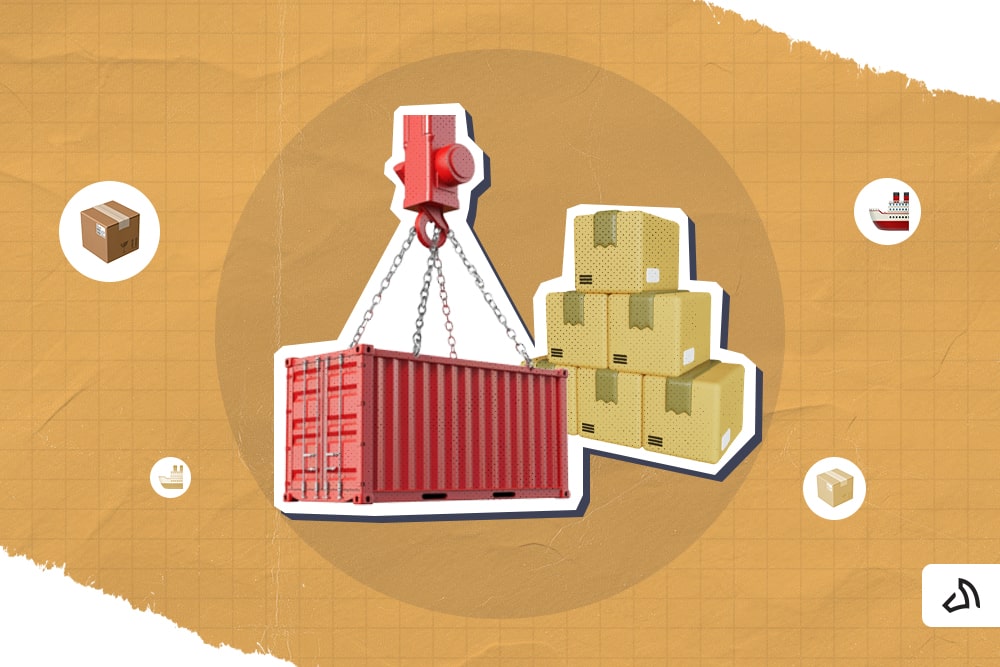
A crane pulling up a shipping container with a piles of boxes beside it

How the shipper delivers the goods affects the handling and transportation process. Here are the most common cargo types:
  • Dry Freight. General items that don't need temperature control, like textiles or electronics.

  • Refrigerated Freight. Perishable or temperature-sensitive products, such as food or pharmaceuticals.

  • Hazardous Materials. These are items like chemicals or flammable goods that should meet strict safety regulations.

  • Bulk Freight. These are unpackaged raw materials such as coal, grains, or minerals shipped in large quantities.

  • Project Cargo/Oversized Freight. Large, heavy, or irregularly shaped items, such as construction machinery or turbines.

Service Speed

A yellow delivery van with a motion icon at its backend

Note that not every shipment is urgent. Many freight services offer various speed options to match business needs.
  • Express Shipping. It is perfect for time-sensitive shipments that need fast delivery.

  • Standard Shipping. A balanced option that offers reasonable delivery times at moderate costs.

  • Economy Shipping. The most budget-friendly choice for non-urgent deliveries with flexible arrival dates.

Factors Affecting Freight Shipping Rates

A yellow delivery truck with a percentage icon and gold coins with a checklist

Before booking anything, it's important to understand what drives shipping costs. Each rate depends on several factors that influence how carriers price their services. Here are some reasons to consider:

  • Distance and Location. General rule: the farther your goods travel, the higher the charges. Deliveries to remote areas or across borders can add fuel, surcharges, tolls or customs fees.

  • Timing/Time of Year. The rates may fluctuate throughout the year. Peak seasons often mean higher prices due to increased demand and limited carrier space. So, avoid those last-minute shipments.

  • Mode of Freight Transport. Air freight typically costs more than road or ocean shipping. Speed, security, and fuel costs contribute to these price gaps. Choosing the most appropriate mode helps balance delivery time with your budget.

  • Weight and Size. Commonly, larger or heavier shipments cost more. Carriers often charge by whichever is higher. It can be the actual weight or the dimensional weight (the space your cargo occupies).

  • Density/Slowability. Freight that's easy to stack and takes up less space costs less to ship than bulky, irregularly shaped items.

What Does Freight On Board Mean

The term Freight on Board (FOB) determines when ownership and responsibility for goods shift from the seller to the buyer. Under FOB terms, the buyer assumes risk and costs once the shipping company loads the goods onto the transport vessel. It helps clarify who handles expenses like shipping, insurance, and customs once the goods leave the seller's control.

For example:

A Mexican buyer orders furniture from a manufacturer in Canada under FOB Toronto terms. Once the Canadian manufacturer loads the product onto the ship at the Canadian port, ownership and responsibility shift to the Mexican buyer.

If something happens to the goods during transit, the buyer (not the seller) must file an insurance claim. They will also cover any related costs. However, if the damage occurred before the Canadian seller loaded onto the ship, the seller will still be responsible.

How Much Does Freight Cost Typically

As mentioned, the costs vary depending on various factors. Here's a general overview:

  • Road Freight (Domestic): 2.00 CAD - 4.00 CAD per mile
  • Air Freight: 5.50 CAD - 11.00 CAD per kilogram/pound
  • Ocean Freight: 1,350 CAD - 6,700 CAD per container, depending on the route and season

Disclaimer: These are just estimates. Always request quotes from multiple carriers or freight brokers to compare options and secure the most competitive pricing for your business needs.

H2: How to Ship Freight

A container cargo with a red question mark

If you're new to freight forwarding or shipping, the process may seem intimidating. But it's straightforward with the proper preparation. Here are some of the basic steps you can follow:

  1. Measure and weigh your shipment accurately to avoid billing surprises.

  2. Package and palletize goods securely for safe transport.

  3. Choose a carrier or freight service that suits your delivery time and budget.

  4. Prepare all documents, including a Bill of Lading (BOL) and customs paperwork (if applicable).

  5. Schedule pickup and track your shipment until delivery.

Benefits of Freight Shipping to Businesses

A hand showing a star, a gold coin, and a blue ribbon

Freight shipping offers more than just transportation. Here are some of the benefits you can enjoy when using it:

  • Economical. Shipping in bulk reduces per-unit transportation costs, making freight a cost-effective solution for large-scale deliveries.

  • Range and Quantity of Items. Businesses can move everything from raw materials to finished products in one shipment, saving time and coordination effort.

  • Eco-Friendly. Consolidating shipments means fewer trips and lower emissions, helping companies reduce their carbon footprint.

  • Variety of Options. From express air freight to economical sea transport, there's a solution for every timeline and budget.

  • Consistency. Freight carriers follow structured routes and tracking systems, ensuring reliable and predictable delivery times.

Final Thoughts

Freight shipping is crucial in business logistics. It offers flexibility, cost-efficiency, and scalability for companies that handle large or international shipments. Answering and understanding "What is freight?" helps you plan smarter, reduce costs, and avoid delays.

Ready to Go Beyond Freight? Ship Smarter with Stallion

A 3PL van with two people giving and receiving packages

Are you ready to expand beyond freight? Ship efficiently and confidently with Stallion's trusted 3PL solutions. We designed each service with Canadian eCommerce businesses in mind.

Stallion can provide the tools and support you need to simplify every step of your shipping process. As a reliable 3PL partner, we can offer:

Our goal is to help businesses like yours save time, reduce costs, and ensure every shipment arrives safely and on schedule.

From parcel to freight, Stallion makes cross-border shipping simple, affordable, and stress-free.

Get started today! Ship faster, smarter, cheaper with Stallion.

Get Started Today.  Sign Up for Free!

More from the blog

The delivery truck holding a box outside an open delivery truck

Freight Forwarders 101: How Do They Help Businesses Succeed

Freight forwarding holds a crucial role in helping businesses manage international shipments efficiently. As supply chains become more complex, sellers need reliable freight forwarders to simplify logistics, ensure compliance, and deliver goods safely. But what is this service? This blog guides you in understanding how these two work together, helping your business stay competitive in […]
A warehouse beside the market

What is 1PL (First Party Logistics): An Introductory Guide

When your business handles every part of its shipping process—from storage to delivery—you're using a 1PL model. But what is 1PL exactly? Let's explore what it means, who uses it, and how it compares with other logistics models. Key Takeaways 1PL Meaning: What is it First-party logistics (1PL) is a logistics setup where the business […]
A delivery man carrying a box outside an open delivery van

Palletized Shipping Explained: A Complete Guide for Businesses

Shipping isn't just about getting a box from Point A to Point B. It's about finding the most efficient, cost-effective, and safe way to move your products. One way to do it is through palletized shipping. In this guide, we'll break down the following: Key Takeaways What is Pallet Shipping Pallet shipping means stacking your […]

Join our community

Follow @ShipStallion
Can our fellow Torontonians relate? -#smallbusiness #business #entrepreneur #socialmedia #shipping #ecommerce #canadianecommerce #shopify #poshmark #b2b #saas #etsy #ebay #canada #canadiansmallbusiness #shoplocalcanada #entrepreneur #toronto

Here’s your quick hassle free shipping from 🇨🇦 to 🇺🇸 as a business owner! -Any questions?! Leave them 👇🏻 and save this video so you don’t forget! -#smallbusiness #business #entrepreneur #socialmedia #shipping #ecommerce #canadianecommerce #shopify #poshmark #b2b #saas #etsy #ebay #canada #canadiansmallbusiness #shoplocalcanada #entrepreneur
Meet @drinkbenny a 🇨🇦 female founded energy drink brand! Instead of focusing on their products, they’re taking a unique approach by hosting in person events in different Canadian cities to offer an experience for their community 🧡- What are your thoughts on in person events? 💭 -#smallbusiness #business #entrepreneur #socialmedia #shipping #ecommerce #canadianecommerce #shopify #poshmark #b2b #saas #etsy #ebay #canada #canadiansmallbusiness #shoplocalcanada #entrepreneur
Do you know the difference between DDU and DDP when shipping internationally 🌏 ?-Questions? Leave them below! 👇🏻 -#smallbusiness #business #entrepreneur #socialmedia #shipping #ecommerce #canadianecommerce #shopify #poshmark #b2b #saas #etsy #ebay #canada #canadiansmallbusiness #shoplocalcanada #entrepreneur
Here’s a quick hack to save time from choosing multiple postage options ↪️ Turn on the lowest postage rate automation to save you time! -Questions? Leave them below! 👇🏻 -  #smallbusiness #business #entrepreneur #socialmedia #shipping #ecommerce #canadianecommerce #shopify #poshmark #b2b #saas #etsy #ebay #canada #canadiansmallbusiness #shoplocalcanada #entrepreneur
This error message is only visible to WordPress admins
There has been a problem with your Instagram Feed.

Join Stallion to save up to 75% on shipping today!

linkedin facebook pinterest youtube rss twitter instagram facebook-blank rss-blank linkedin-blank pinterest youtube twitter instagram